
Arthritis of the Spine in Flushing, Queens, NY
Interventional pain management with Dr. Ji Han in Flushing, Queens.
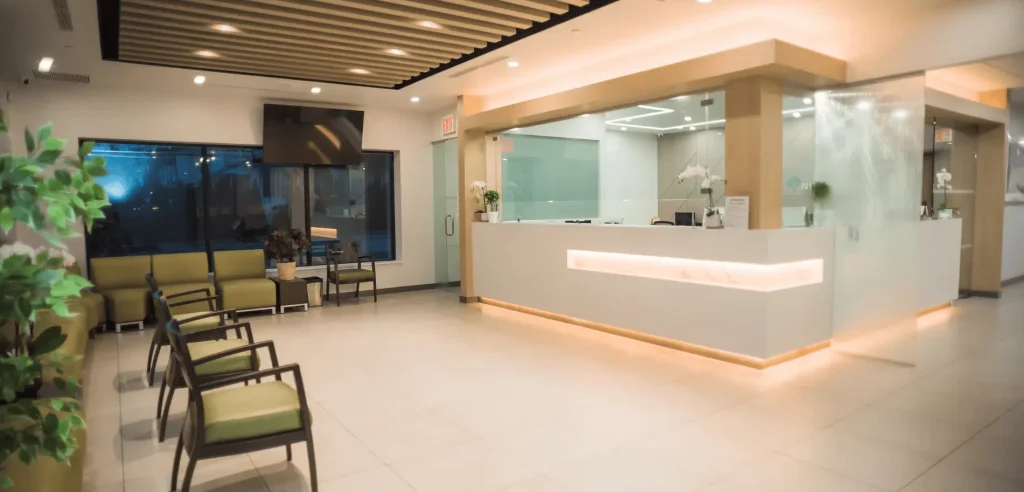
Management Experience
Trained Specialist
What is arthritis of the spine and how is it treated?
Arthritis of the spine is wear and inflammation of the spinal joints and cartilage that causes back or neck pain and stiffness. At NY Spine Care in Flushing, Queens, board certified pain specialist Dr. Ji Han treats arthritis of the spine with minimally invasive options such as facet joint injections, medial branch blocks and radio frequency ablation. We accept most insurance, including Medicare, workers compensation and No Fault.
What is Arthritis of the Spine?
Arthritis of the spine, also known as spinal arthritis or spinal osteoarthritis, is a degenerative condition that affects the joints and cartilage in the spine. It commonly develops in the neck and lower back, where constant movement causes gradual wear and tear of the spinal structures over time.
As the condition progresses, the cartilage that cushions the vertebrae begins to break down, leading to inflammation, stiffness, and chronic pain. In many cases, spinal arthritis can also cause narrowing of the spinal canal, known as spinal stenosis, which may compress nearby nerves and lead to radiating pain, numbness, or weakness.
Spine arthritis is one of the leading causes of chronic back pain and is closely related to other degenerative conditions such as disc degeneration and facet joint arthritis. Early diagnosis and proper spinal arthritis treatment can help slow progression and improve quality of life.
What Causes Arthritis of the Spine?
Arthritis of the spine is mainly caused by degeneration of spinal joints over time, often referred to as osteoarthritis of the spine. As people age, the cartilage that protects the spinal joints naturally wears down, leading to inflammation and pain.
Other common causes include rheumatoid arthritis and psoriatic arthritis, which are autoimmune conditions that attack the joints. Spinal stenosis and degenerative disc disease can also contribute to spinal arthritis by increasing pressure on the spinal structures.
In some cases, previous spine injuries, trauma, or repetitive strain from heavy lifting can accelerate joint damage. Genetic factors may also play a role, making some individuals more prone to developing spine arthritis earlier in life. Conditions such as gout, osteoporosis, and chronic infections like Lyme disease may also contribute to spinal inflammation and joint deterioration.
Risk Factors for Arthritis of the Spine
Several risk factors can increase the likelihood of developing spinal arthritis or degenerative spine arthritis. Age is the most significant factor, as spinal joints naturally lose flexibility and cushioning over time.
Excess body weight or obesity places additional pressure on the spine, speeding up cartilage breakdown and increasing pain. A sedentary lifestyle or poor physical fitness can weaken the muscles that support the spine, making it more vulnerable to injury and degeneration.
Smoking is another major risk factor because it reduces blood flow to spinal tissues and slows the body's natural healing process. People who perform physically demanding work or repetitive heavy lifting are also at higher risk due to constant stress on the spinal joints.
Poor posture, genetic predisposition, and underlying medical conditions such as arthritis or cancer can further increase the risk of developing chronic spine arthritis and long-term back pain.
Symptoms of Arthritis of the Spine
The symptoms of spine arthritis can vary depending on severity and location, but the most common sign is persistent back or neck pain that gradually worsens over time. This pain may feel dull, aching, or stiff and is often more noticeable after periods of inactivity or upon waking up.
As spinal arthritis progresses, inflammation and joint degeneration can cause stiffness in the spine and reduced flexibility, making everyday movements more difficult. In some cases, pain may radiate into the arms, legs, buttocks, or feet due to nerve compression caused by spinal stenosis or disc degeneration.
More advanced cases of spinal arthritis may lead to numbness, tingling, or weakness in the extremities, indicating nerve involvement. Some individuals may also experience fatigue, swelling in the affected areas, and a grinding or crunching sensation during movement.
In severe cases, spinal cord compression may lead to urinary or bowel dysfunction, which requires immediate medical attention from a spine specialist.
Experiencing any of these symptoms? Early care can make a real difference.
Call 718-762-7000Helpful reading about arthritis of the spine
Treatments for arthritis of the spine
Arthritis of the Spine FAQs
Straight answers to the questions patients ask us most.
Arthritis of the spine is wear and inflammation of the spinal joints and cartilage that causes back or neck pain and stiffness.
See a specialist if back or neck stiffness lasts more than a few weeks, is worse in the morning, or comes with pain that spreads into the arms or legs.
Dr. Ji Han starts with a careful evaluation and your imaging, then builds a plan that may include Facet Joint Injections, Medial Branch Blocks, Radio Frequency Ablation, along with medication and physical therapy when they fit. Not every treatment is right for every patient, and your plan is made for you.
We accept most insurance, including Medicare, workers compensation and No Fault. We work with more than 25 plans. Please check whether your plan needs a referral to see a specialist, or call us at 718-762-7000 and we will help.
Locations We Serve for Arthritis of the Spine Treatment
We provide expert arthritis of the spine treatment and specialized care for patients in Flushing, Queens, Bayside, Whitestone, Fresh Meadows, and surrounding areas across New York.
Treatment
Treatments range from conservative treatment to surgery. Our goal is to provide you with the best treatment plan to reduce pain, but these treatments do not change the underlying source of pain. Medical treatments are often used in combination such as: medications, physical therapy programs, and injection therapy.
Epidural Injections
Treats radiating pain; deposit the medication, typically steroids in the epidural space of the spine.
Learn moreNerve root block injections
Targets a specific spinal nerve and deposit medication around the nerve at the point where it exits the intervertebral foramen (bony opening between adjacent vertebrae).
Facet joint injections
Treat pain stemming from a specific facet joint.
Medial branch blocks
Deposit medication around the medial branches of spinal nerves. The medial branch is a nerve that sends pain signals to the brain from an arthritic facet joint. An injection directed around the medial branch can relieve neck and lower back pain.
Learn more 05Radiofrequency ablation (RFA)
Treats pain by lesioning medial branch nerves of the facet joints.
Learn moreReady to talk about your arthritis of the spine?
We accept most insurance, including Medicare, workers compensation and no fault.


