Tightness in the neck is a common condition often caused by muscle strain, poor posture, stress, or underlying health issues. It can lead to stiffness, pain, and reduced movement. Simple remedies like...
Back of neck pain and headache are often linked to muscle tension, poor posture, stress, or underlying spine issues. Relief usually comes from correcting posture, improving movement habits, managing...
Injection therapy for chronic neck pain is a minimally invasive treatment that delivers medication directly into the source of pain, such as inflamed nerves, joints, or muscles. It helps reduce...
Common neck complaints often come from muscle strain, poor posture, or underlying conditions like nerve compression or joint degeneration. Treatment depends on the cause but usually includes rest...
Lower back pain treatments that work focus on reducing inflammation, restoring movement, and strengthening the muscles that support the spine. Effective approaches often combine targeted exercise...
Lower back muscle strain can be eased by resting briefly, applying ice in the first 24 to 48 hours, then switching to heat, and gently stretching as pain improves. Staying active with light movement...
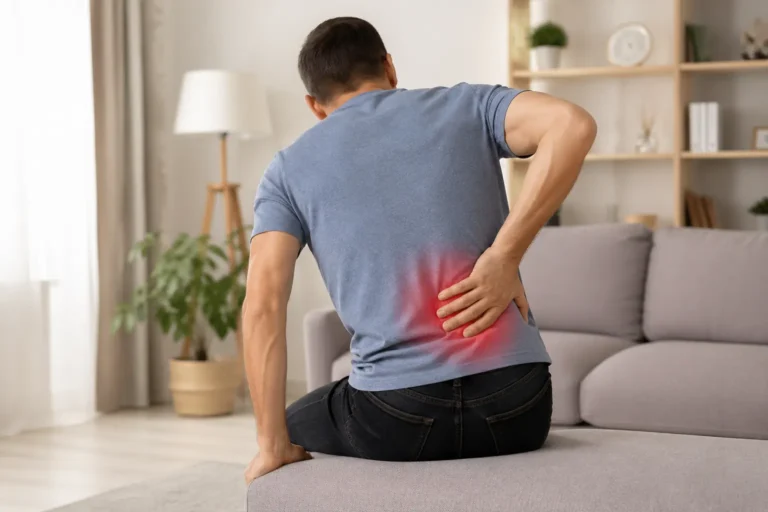
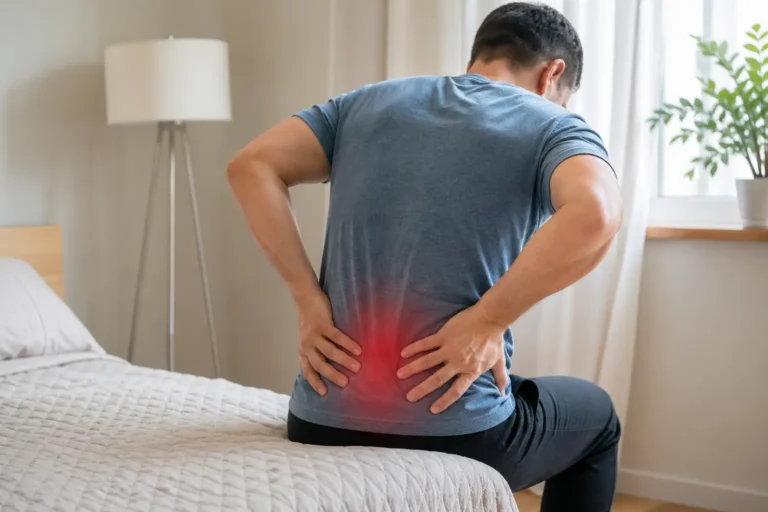
Lower back pain is commonly caused by muscle strain, poor posture, spinal conditions, or lifestyle habits like inactivity and improper lifting. It can also stem from injuries, aging, or underlying...
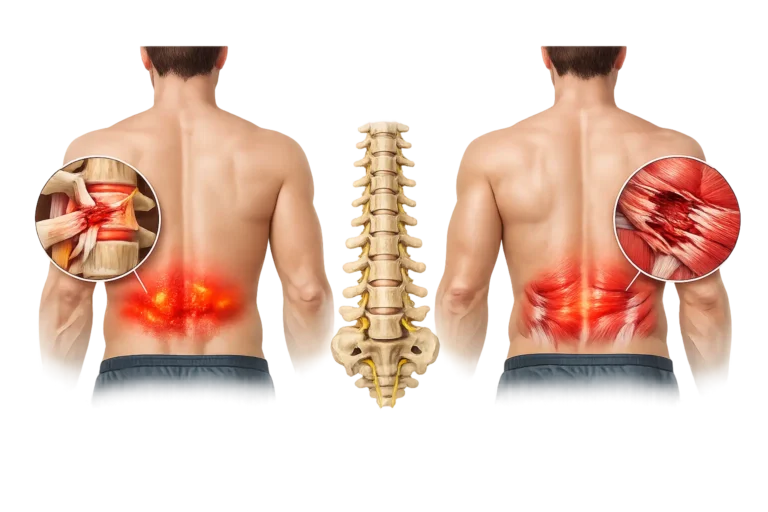
A back sprain and a back strain are both common causes of back pain, but they affect different structures in the body. A back sprain involves injury to ligaments, which connect bones and stabilize...
Back strain treatment refers to methods used to relieve pain, reduce muscle inflammation, and restore normal movement after overstretching or tearing the muscles in the lower or upper back. Fast...
Notice: One of our vendors was impacted by a security incident, which affected some of our patients’ or their primary insured’s protected health information.
Learn more.