
Causes of Lower Back Pain You Should Know
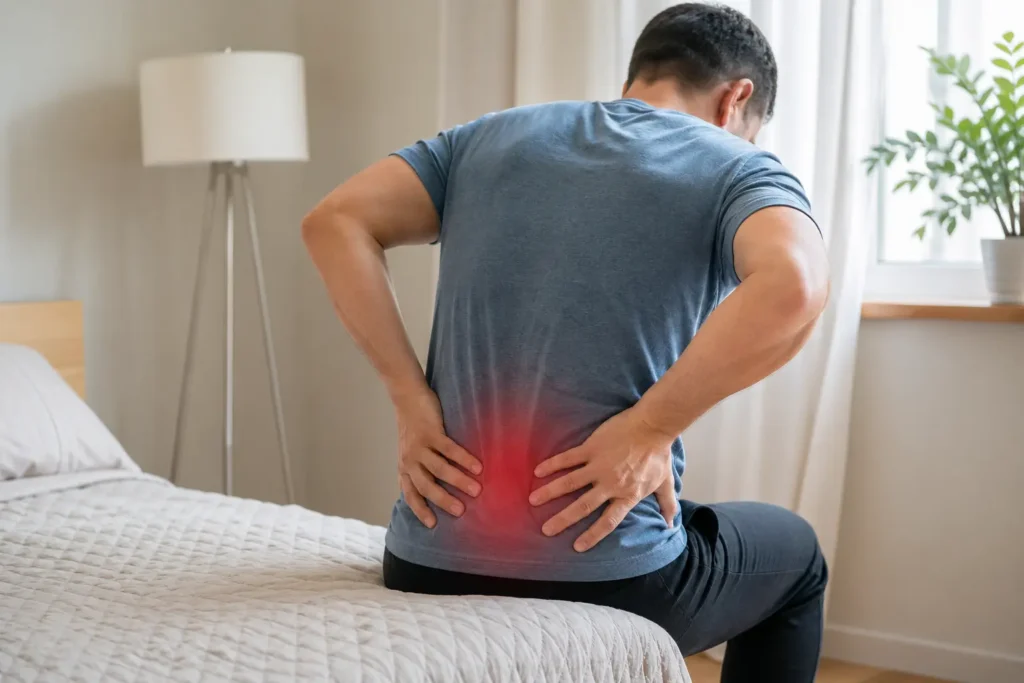
Lower back pain is commonly caused by muscle strain, poor posture, spinal conditions, or lifestyle habits like inactivity and improper lifting. It can also stem from injuries, aging, or underlying health issues. Understanding the root cause helps guide the right treatment, prevent worsening symptoms, and support long-term spine health. Understanding Lower Back Pain Lower back […]
Difference Between Back Sprain and Strain
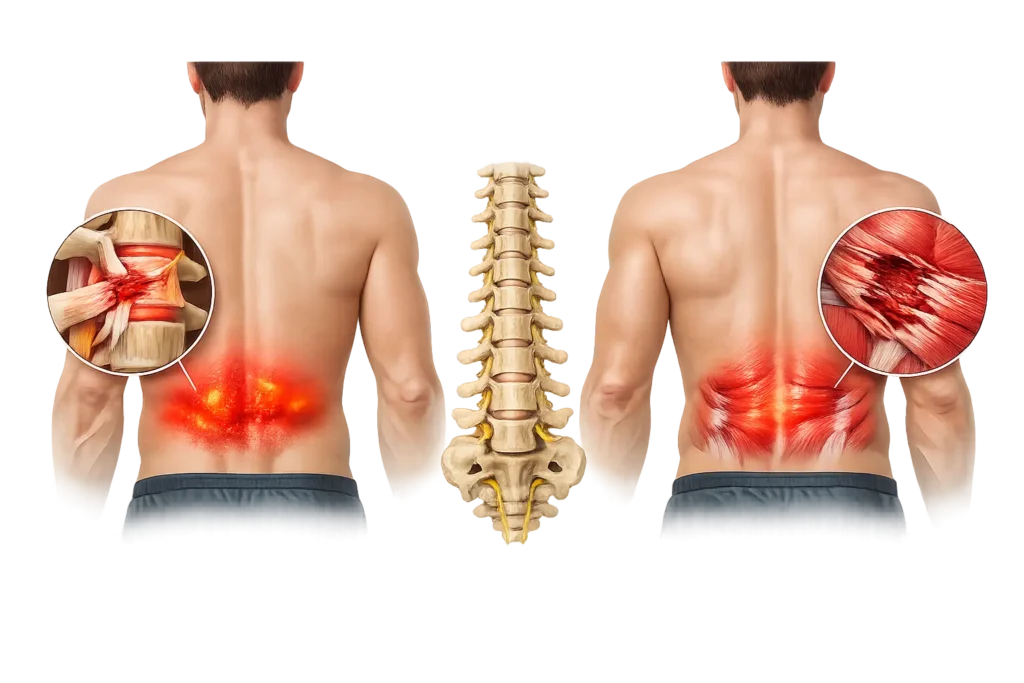
A back sprain and a back strain are both common causes of back pain, but they affect different structures in the body. A back sprain involves injury to ligaments, which connect bones and stabilize joints, while a back strain involves injury to muscles or tendons. Both can cause pain, stiffness, and limited movement, but they […]
Signs You Have a Back Sprain
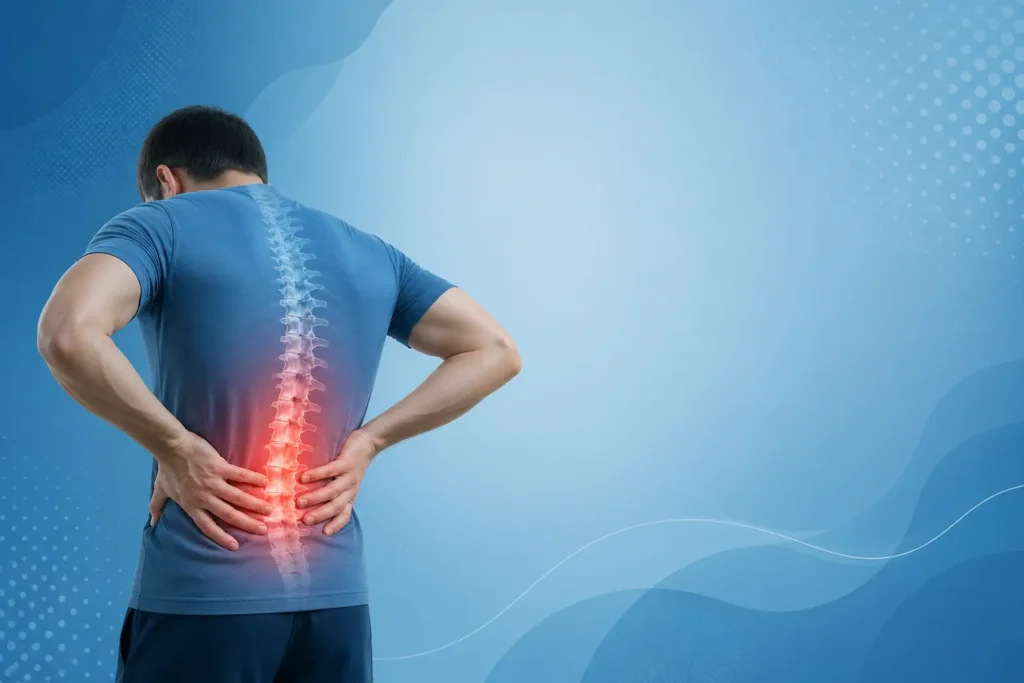
A back sprain happens when the ligaments in your spine are overstretched or torn, usually due to sudden movement, lifting injury, or awkward twisting. The most common signs include sharp or persistent pain, stiffness, reduced mobility, muscle tightness, and discomfort that worsens with movement. It often feels different from general soreness because the pain can […]
How to Treat a Back Strain?

Back strain is one of the most common musculoskeletal problems that can affect daily life, work performance, and even sleep quality. It often appears suddenly after lifting something heavy, making an awkward movement, or overusing the back muscles. While it is usually not serious, it can be painful and limiting if not managed properly. Understanding […]
Kyphoplasty vs Vertebroplasty Explained
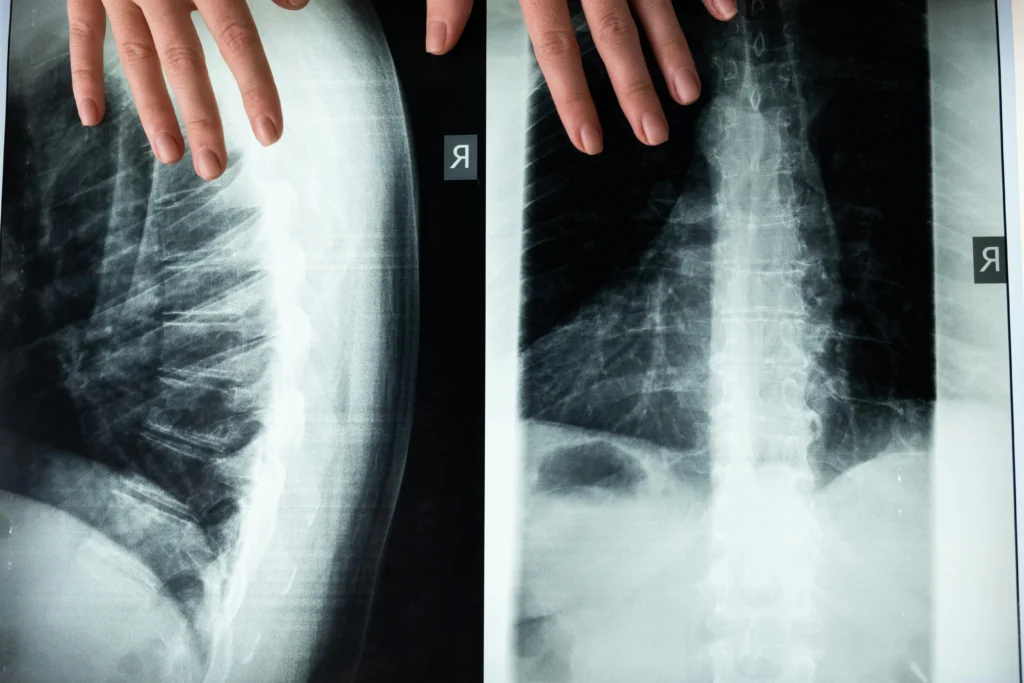
Kyphoplasty and vertebroplasty are minimally invasive spinal procedures used to treat painful vertebral compression fractures, most commonly caused by osteoporosis. Both involve stabilizing a fractured spinal bone using medical cement, but kyphoplasty also includes a step to create space inside the vertebra before cement injection. This key difference can affect pain relief, spinal alignment, and […]
What to Expect During Spinal Cord Stimulation Trial?
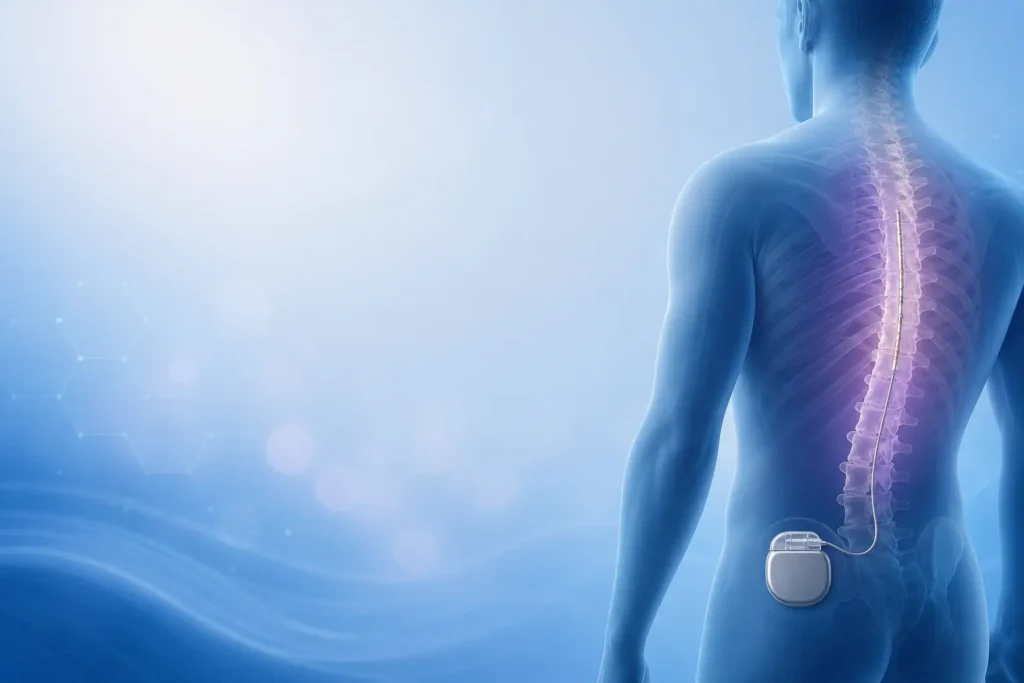
A spinal cord stimulation (SCS) trial is a short testing phase where temporary leads are placed near the spinal cord to see if pain improves. It usually lasts 5–7 days. Patients wear an external device and track pain relief, activity changes, and comfort before deciding on permanent implantation. Introduction: Why the Spinal Cord Stimulation Trial […]
Understanding Neuropathic Pain and Treatments
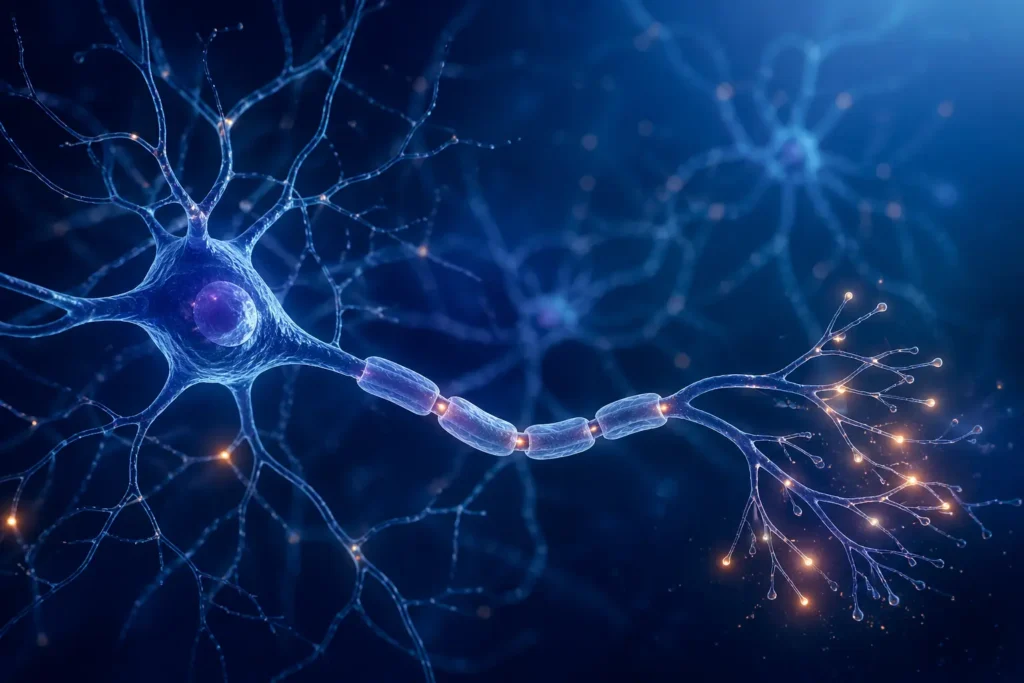
Neuropathic pain is a chronic pain condition caused by damage or dysfunction in the nervous system. It often feels like burning, tingling, or electric shocks. Common treatments include medications, nerve-targeted therapies, physical rehabilitation, and lifestyle changes aimed at reducing nerve irritation and improving quality of life. Introduction: Why Neuropathic Pain Feels Different Pain is usually […]
Benefits of Non Drug Pain Management

Pain can drain your energy, affect your sleep, limit movement, and make everyday life harder. Many people want relief but worry about side effects, dependency, or long-term medication use. The good news is that pain relief does not always need to start with drugs. Many proven methods can reduce pain naturally and safely. Quick Answer […]
Spinal Cord Stimulation vs Traditional Pain Treatments
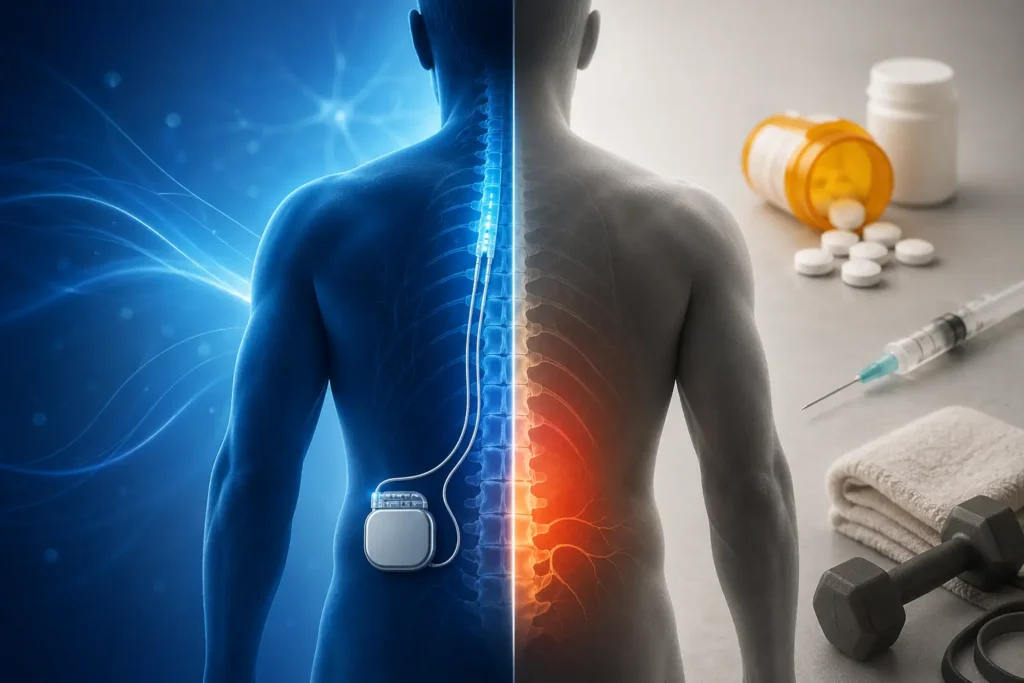
Chronic pain can wear down every part of life. It can steal sleep, limit movement, strain relationships, and make even simple tasks feel hard. Many people try medications, injections, physical therapy, or surgery but still struggle with daily pain. That is why more patients are asking an important question: Should I consider spinal cord stimulation […]
Spine Arthritis vs Spinal Stenosis
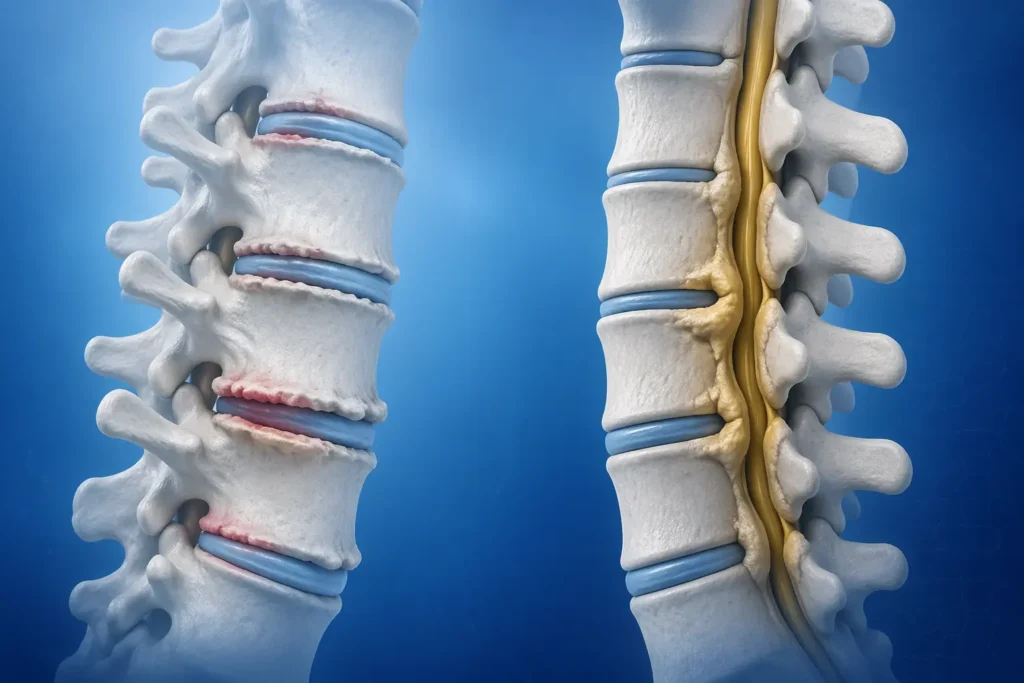
Spine arthritis is a degenerative condition where spinal joints wear down and become inflamed, causing stiffness and chronic pain. Spinal stenosis is a narrowing of the spinal canal that compresses nerves, often leading to leg pain, numbness, and weakness. Both conditions are age-related but affect the spine in different ways. Introduction: Why These Two Conditions […]